Meet the Councilor | Reiko J. Tanaka, PhD
Trained as a mathematical engineer and evolved into a computational systems biologist, she now works at the interface of systems medicine, bringing a uniquely interdisciplinary perspective to her research. Her work applies computational and mathematical tools, including mechanistic modelling, statistical machine learning, and AI, to uncover the design principles of biological systems in disease, with a particular focus on atopic dermatitis, skin microbiome, and epithelial barrier function. How does your personal or professional vision and mission align with the IEC mission and vision?My professional mission is to improve patient care by advancing computational research for atopic dermatitis. That goal resonates deeply with the IEC's mission to promote research, education, and best practices in AD treatment worldwide. At the heart of my work is a commitment to a patient-centered perspective. Every research question I pursue begins with asking what truly matters to patients living with AD. What excites me most about computational approaches is their versatility. They can integrate diverse data types, model complex biological systems, and ultimately generate insights that can translate into more personalised and effective care. I see my work as a contribution to the IEC's vision of transforming the lives of people with atopic dermatitis, one algorithm at a time. What is your proudest accomplishment in the atopic dermatitis (AD) space?My proudest accomplishment has been helping to establish computational modelling as a recognised and valued research methodology within the AD field. When I began this work, quantitative and systems-based approaches were relatively novel in dermatology. Seeing the community increasingly embrace these methods, and witnessing the collaborations and discoveries they have enabled, is deeply rewarding. A particular milestone along this journey was being invited to co-author the IEC expert panel review Human and Computational Models of Atopic Dermatitis: A Review and Perspectives by an Expert Panel of the International Eczema Council, published in the Journal of Allergy and Clinical Immunology in 2019, a recognition that in silico modelling had truly earned a place alongside more established methodologies in the field. It is a testament to the openness and collaborative spirit of the AD research community, and I hope it inspires other computational scientists to bring their expertise to this important field. What do you value most about being involved with the IEC?Being part of the IEC means being connected to a remarkable global network of professionals united by a shared mission and vision. What I treasure most is the opportunity for genuine cross-disciplinary collaboration, where clinicians, basic scientists, and computational researchers come together and learn from one another. My connection with the IEC goes back to my co-authorship of the 2019 IEC expert panel review, an experience that showed me just how much can be achieved when diverse expertise is brought together around a common goal. Becoming a Councilor now feels like a natural and deeply rewarding next step in that journey. What do you think will garner the most attention over the coming year in the AD field?I believe artificial intelligence and digital twin technologies will increasingly take centre stage in AD research and care. AI is already transforming how we analyse patient data, identify disease subtypes, and predict treatment responses. Looking further ahead, digital twins (personalised computational models of individual patients) hold promise for simulating disease trajectories and tailoring interventions in ways that were previously unimaginable. I am excited to see how the field embraces these tools, and equally excited to contribute to that journey. What do you see as the biggest need among AD patients?A personalised management tool. Despite the remarkable advances in our understanding of AD and the expanding therapeutic landscape, patients still largely lack tools that translate this knowledge into actionable, individualised guidance for their day-to-day disease management. This is a key motivation behind my work in computational modelling and AI, and I believe it represents one of the most exciting and impactful frontiers for our community to pursue together. What's the most recent good thing you watched, listened to, or visited?Cherry blossoms in full bloom! There is something wonderfully grounding about witnessing nature's own annual transformation. It is a timely reminder that beauty and renewal are always just around the corner. It was the perfect moment to pause, reflect, and feel grateful for the work we do and the community we are part of.
Get to know other Councilors and Associates by reading past Meet the Councilor features. |
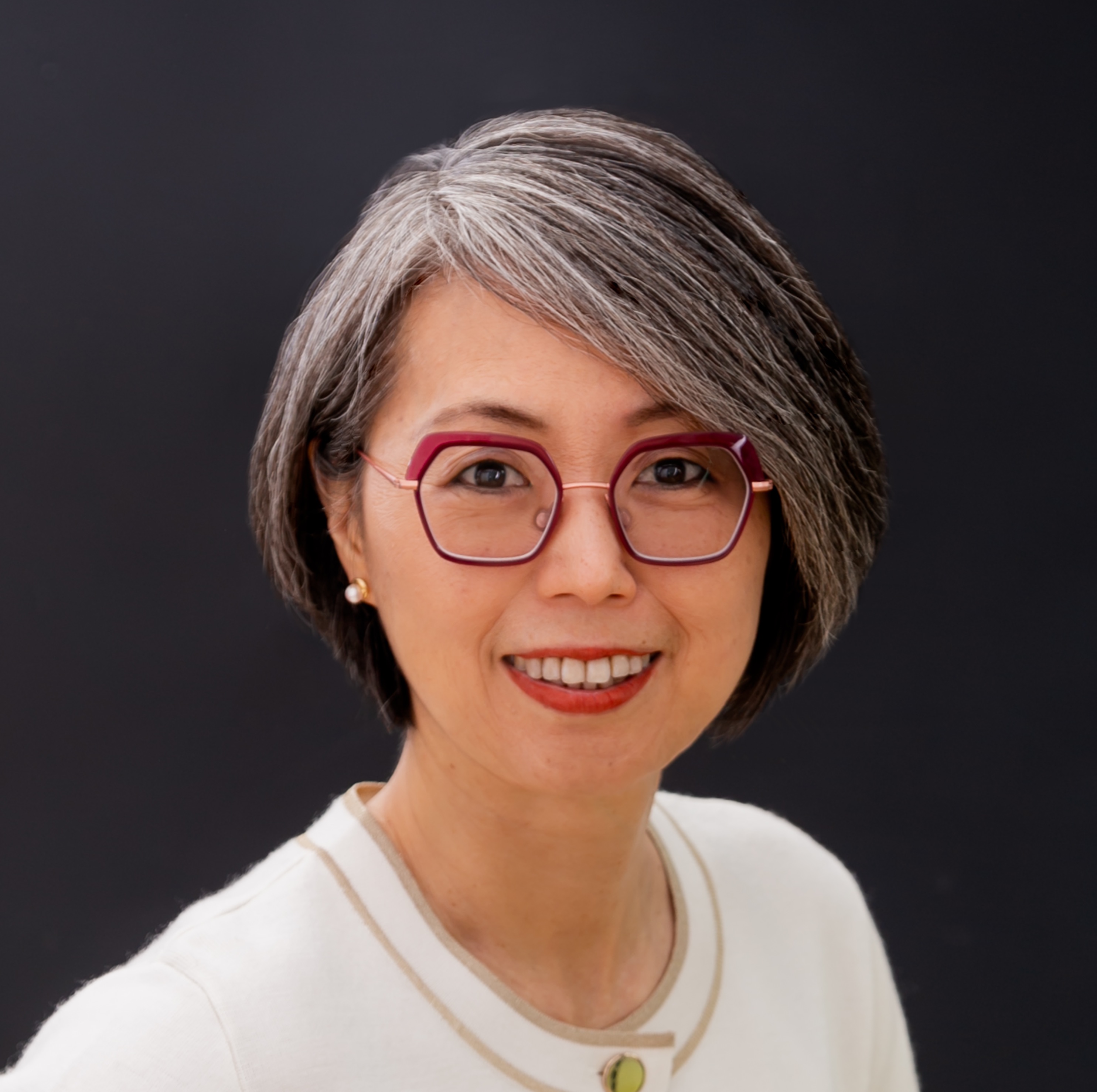 IEC Councilor Reiko J. Tanaka is professor of computational systems biology and medicine in the Department of Bioengineering at Imperial College London, where she leads the Biological Control Systems Lab.
Latest News
Announcements
The International Eczema Council is happy to announce its new three-year Strategic Plan. This in-depth process involved IEC leadership, Councilors, Associates and Industry Partners as we sought input through surveys and other methods.
Upcoming Events
Wed Nov 11, 2026IEC Virtual Education Webinar on Reducing the Use of Systemic Corticosteroids in Atopic Dermatitis Category: IEC Events (for everyone) |
Wed Nov 18, 2026IEC Virtual Education Webinar on Practical Tips for Integrating Advanced Systemic Agents for AD Into Practice Category: IEC Events (for everyone) |
View Full Calendar
Join Us on Social Media